3 Workforce Trends Every Life Sciences HR Leader Should Know in 2026
The life sciences industry is facing another year of rapid transformation. Funding shifts, political uncertainty, AI acceleration, and continued workforce pressure are forcing HR leaders to rethink how they recruit, develop, and support talent.
Here are three trends shaping HR strategy this year:
1. Building Adaptive Workforces to Navigate Ongoing Volatility
Life sciences organizations - especially scaling and stabilizing biotechs, are prioritizing workforce adaptability as unpredictable market conditions persist.
HR teams attending LEAP HR: Life Sciences West and beyond are under pressure to:
- Equip adaptive biotech workforces capable of navigating scale and change
- Build lean, resilient HR functions in a cost‑constrained environment
- Prepare for immigration shifts, political change, and other external pressures impacting workforce continuity
This shift means workforce planning is no longer just a budgeting exercise - it’s a real‑time response mechanism. Biopharma organizations such as are already exploring new approaches to navigating industry volatility and designing future‑ready teams.
Why it matters for 2026:
Uncertainty isn’t slowing down. The companies thriving this year will be the ones whose people strategies adapt quickly to scientific, regulatory, and operational changes.
2. AI Is Rapidly Reshaping Roles, Skills, and HR Operating Models
AI has moved from buzzword to business reality in life sciences HR. AI is now transforming how organizations structure work, manage talent, and support decision‑making.
HR leaders report that AI is:
- Automating tasks and enabling smarter role design
- Supporting data‑driven workforce planning
- Accelerating decision science capabilities
- Encouraging a human‑first, machine‑enhanced workforce mindset
What this means for HR:
AI doesn’t replace HR - it elevates it. HR teams must lead the redesign of roles, the upskilling of employees, and the cultural transition toward hybrid human‑AI workforces.
3. Protecting Culture & Developing Enterprise‑Ready Leaders Under Pressure
Culture has become a strategic stabilizer in an industry defined by volatility.
The major concern? Organizations must protect culture under pressure while simultaneously developing leaders capable of engaging and supporting stressed workforces.
West Coast HR leaders are gathering to explore how to:
- Strengthen culture in R&D‑heavy environments
- Build engagement and resilience
- Navigate shifting employee expectations amidst uncertainty
Why this matters:
With talent shortages and scientific pressure increasing, culture and leadership are now core retention tools. Companies that do not invest here will feel the impact quickly.
What This Means for Life Sciences HR Leaders in 2026
This year’s most successful organizations will be those that:
- Treat workforce planning as dynamic and scenario‑based
- Embrace AI not as a threat but a capability multiplier
- Prioritize leadership development and cultural stability
- Build people strategies closely tied to scientific and commercial realities
The conversations happening across LEAP HR: Life Sciences West make one thing clear: HR’s role in biopharma has never been more strategic, more cross‑functional, or more essential.
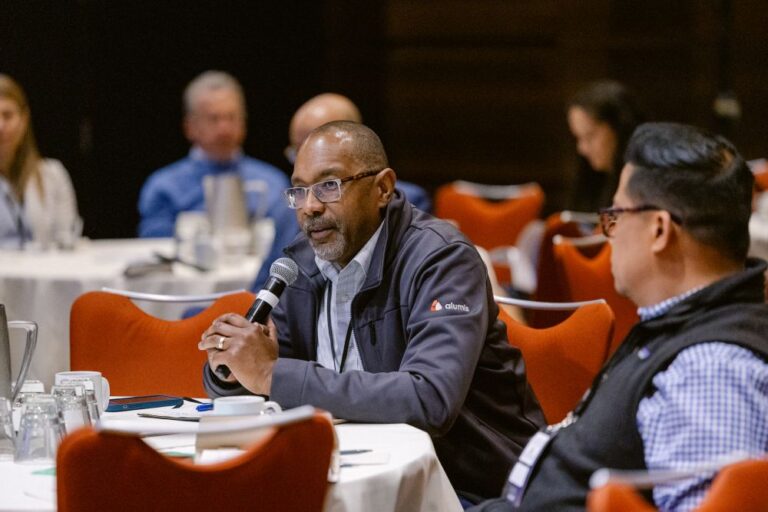
Explore the 2026 Agenda
Hear the latest industry breakthroughs and gain exclusive HR insights during our packed agenda, interactive roundtables, and our new Lessons from ‘Recently Acquired Organizations’ panel discussion.
Partner With Us
Position yourself alongside other leading solution providers to ensure your brand is at the heart of biopharma deals.
Join Biopharma Experts
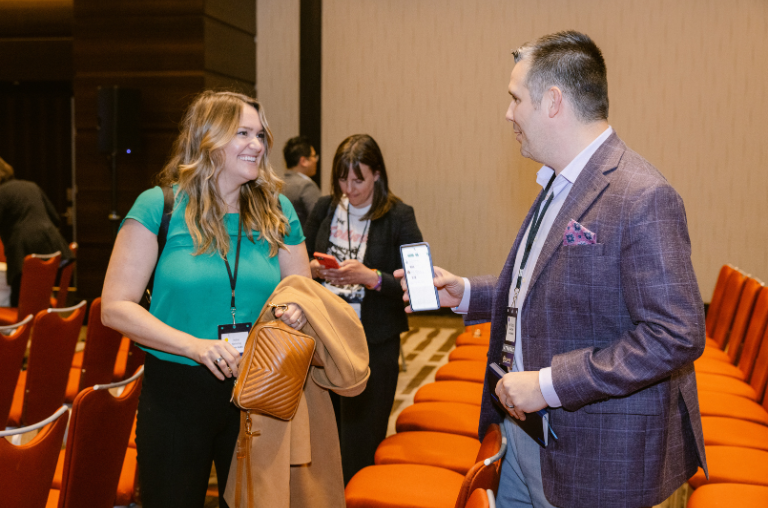
Be part of the hottest conversations with like-minded attendees spanning all stages of drug development and make critical connections during our dedicated networking sessions.